Induction Cap Sealing Machines: The Invisible Hero Guarding Every Bottle You Buy
Ever peeled that shiny foil off a new bottle of cough syrup or ketchup and felt that tiny moment of satisfaction? Congratulations — you’ve just met the work of an induction cap sealing machine. That humble foil is one of the most important safety devices in modern packaging, and the story of how it gets there is far cooler than you’d expect.
Here’s the twist: the seal is created without anything ever touching the bottle. No glue, no heat plates, no pressing. Just physics, doing its thing at 150 bottles a minute.
So What Exactly Is Induction Sealing?
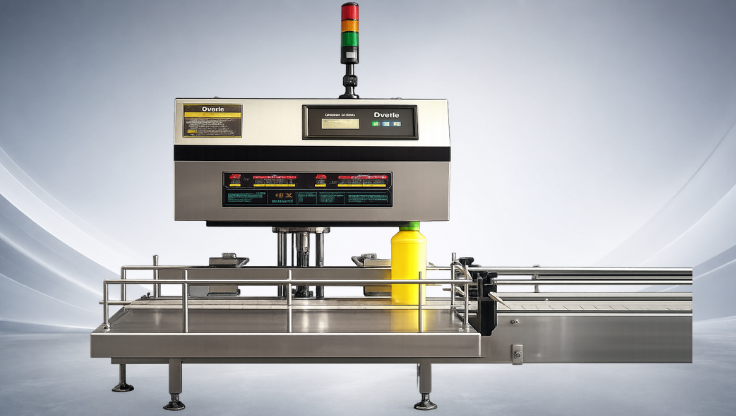
An induction cap sealing machine (also called an induction sealer or foil sealing machine) bonds an aluminium foil liner to the neck of a container using electromagnetic energy. The result is a hermetic seal — completely airtight, leak-proof, and tamper-evident.
Think of it like a microwave for bottle caps, except far more precise. The bottle passes under a sealing head, an electromagnetic field induces eddy currents in the foil liner inside the cap, the foil heats up in a fraction of a second, melts a thin polymer layer, and bonds itself firmly to the container neck. The bottle itself stays cool. The product inside is never touched. And yet, the seal that forms can keep oxygen, moisture, and tampering fingers out for the entire shelf life of the product.
The Journey of a Bottle: From Filling to Fort Knox
Picture a bottle of pesticide, syrup, or edible oil rolling down a packaging line:
First, the product is filled into the container. Then a cap with an induction liner — a clever sandwich of pulp backing, wax, aluminium foil, and a polymer sealing layer — is screwed on. The capped bottle glides under the induction sealing head on a conveyor. In milliseconds, the electromagnetic field heats the foil, the polymer melts and fuses to the bottle neck, and the seal cools into an airtight barrier before the bottle even reaches the end of the conveyor.
No contact. No contamination. No slowing down the line.
Why Manufacturers Across Asia and Africa Are Switching to Induction Sealing
Whether you run a pharmaceutical plant in Mumbai, an agrochemical facility in Nairobi, or an edible oil bottling line in Lagos, the pressures are the same: stop leaks, prove your product hasn’t been tampered with, extend shelf life, and satisfy regulators. Induction sealing ticks every box.
Tamper evidence that builds brand trust. Once that foil is broken, everyone knows. In markets where counterfeiting is a genuine threat to brands, a tamper-evident seal is your first line of defence — and a visible signal of quality to your customers.
Leak-proof transport. Bottles travel rough roads and long distances. A hermetic induction seal means your product arrives exactly as it left — no leaking cartons, no returns, no angry distributors.
Longer shelf life. The seal blocks oxygen and moisture ingress, keeping products fresher for longer — critical for food, pharma, and agrochemicals alike.
Energy efficiency. Only the foil is heated, not the whole container. Compared with conduction sealing, that’s a serious saving on your power bill.
Speed. Automatic inline induction sealing machines integrate directly with filling and capping lines, sealing up to 150–200 bottles per minute without breaking a sweat.
One Machine, Many Industries
The beauty of induction sealing is its versatility. Pharmaceutical companies use it for syrups, tablets, and oral liquids where container closure integrity (CCI) is non-negotiable. Food and beverage brands seal sauces, edible oils, dairy products, and powders. Agrochemical manufacturers rely on it for pesticides and fertilizers, where a leak is not just a loss but a hazard. Lubricant and cosmetic producers use it for everything from engine oil to face cream.
And it works on PET, HDPE, PP, and glass containers, with cap diameters typically from 20 mm to 100 mm and beyond.
What Should You Look For in an Induction Cap Sealing Machine?
Not all sealers are created equal. A quality machine should offer an IGBT-based solid-state power supply for stable output, adjustable sealing head height for quick changeovers between bottle sizes, safety interlocks like “no container, no sealing” and over-temperature protection, and GMP-compliant stainless steel construction for regulated industries.
For pharmaceutical buyers, look for machines that support full IQ/OQ/PQ validation, seal integrity testing compatibility (vacuum decay, dye ingress), and 21 CFR Part 11-ready data logging.
One insider tip: more power does not automatically mean a better seal. Energy transfer efficiency, correct conveyor speed, proper capping torque, and liner compatibility matter far more than raw kilowatts. This is where an experienced machine manufacturer earns its keep.
The Winsson India Advantage
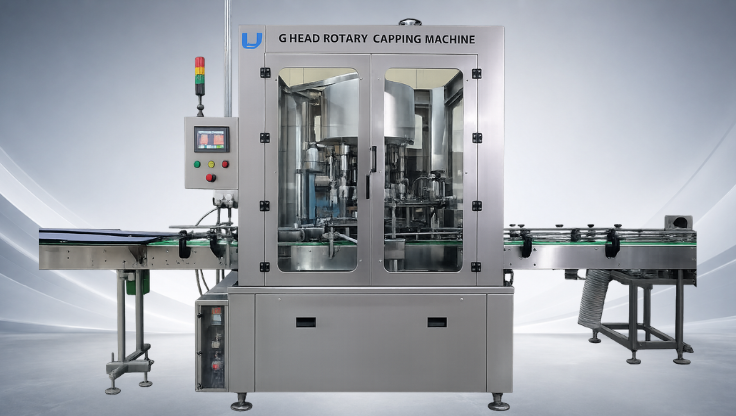
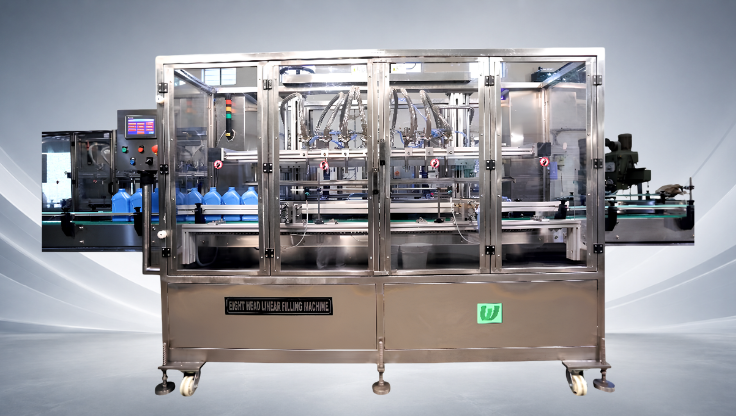
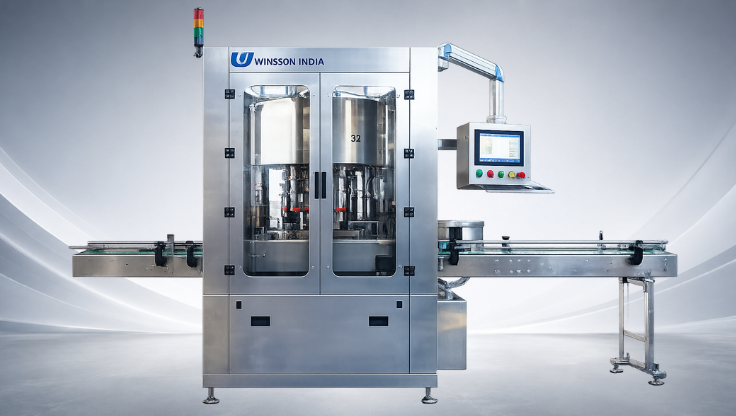
At Winsson India, we don’t just sell induction sealing machines — we build complete, validated packaging lines. Our induction cap sealing systems integrate seamlessly with our filling machines, servo capping machines, and CCIT (Container Closure Integrity Testing) systems, giving you a turnkey solution from a single manufacturer.
With GMP-compliant construction, sealing efficiency of 99% and above, changeover times under 10 minutes, and full validation documentation, our machines are engineered for the realities of production floors across India, Asia, and Africa — including robust designs that handle voltage fluctuations and demanding duty cycles.